Selling a home in Greater Newburyport can move faster than many sellers expect, but the fastest sales are usually the most prepared ones. If you are trying to line up timing, paperwork, showings, and your next move, it helps to know what happens when and which steps can slow things down. This guide walks you through a practical home-selling timeline from prep to closing so you can plan ahead with more confidence. Let’s dive in.
What timeline should you expect?
In Greater Newburyport, a typical home sale often takes about 75 to 105 days from signed listing paperwork to settlement. A common benchmark breaks that into about 14 days for listing setup, 30 to 45 days for showings, and another 30 to 45 days from accepted offer to closing.
Local market data suggests well-priced homes can move more quickly, but not instantly. In March 2026, the Massachusetts Association of Realtors reported 1.6 months of inventory, 46 cumulative days on market until sale, and sellers receiving 98.3% of original list price in Newburyport. Other market trackers reported about 26 to 42 days on market, which supports the same basic takeaway: your home may attract attention quickly, but you should still plan for a multi-stage process.
Start with prep, not the sign
The biggest timeline mistake many sellers make is waiting until the home goes live to deal with documents and compliance items. In Massachusetts, the prep stage is often less about filling out one broad seller disclosure form and more about gathering the right notices, records, and property-specific paperwork.
This matters in Greater Newburyport because the market can respond fast once your home is listed. If a buyer moves quickly, missing paperwork can create stress at the exact moment you want the process to feel smooth.
The first 1 to 2 weeks
A published listing benchmark puts the setup phase at about 14 days. The first call often happens within 48 hours, followed by a home tour within 1 to 7 days, then photos and listing setup soon after.
During this phase, your focus should be on three things:
- preparing the home for market
- gathering required documents
- identifying any property-specific issues early
For many sellers, this is where strong planning pays off. The more you front-load now, the fewer last-minute surprises you are likely to face later.
Handle Massachusetts compliance early
Some of the most important timeline items in Massachusetts are easy to overlook because they do not always feel urgent at first. In reality, they can affect your schedule if you wait too long.
Lead paint paperwork
If your home was built before 1978, the Property Transfer Lead Paint Notification must be provided before signing the purchase and sale agreement. That means lead paperwork belongs in your early prep phase, not in the final stretch before closing.
Septic inspection timing
If the property has a septic system, MassDEP says sale-related inspections are generally valid for 2 years. The inspection report must be submitted within 30 days, and the buyer must receive a copy.
Because repairs or permitting may be needed in some cases, septic should be treated as an early step. If your property is outside public sewer service, this can have a direct effect on your selling timeline.
Home inspection rules
Since October 15, 2025, sellers and their agents in Massachusetts may not condition acceptance of an offer on the buyer waiving a home inspection. The required disclosure must be given before or at the first purchase contract, and the inspection itself must be completed by a licensed home inspector.
For you as a seller, the key takeaway is simple: plan for an inspection to be part of the process. A clean, well-prepared home and a realistic strategy matter more than trying to rush around this step.
Get the home market-ready
Once the paperwork is underway, turn your attention to presentation. In a market like Greater Newburyport, pricing, condition, and launch quality all shape how quickly your home moves.
North Shore REALTORS notes that limited inventory continues to support pricing and that well-presented, strategically priced homes can still move quickly and attract multiple offers. That does not mean every home sells immediately. It means thoughtful prep improves your odds.
Before launch, focus on:
- decluttering and cleaning
- minor repairs
- touch-up paint where needed
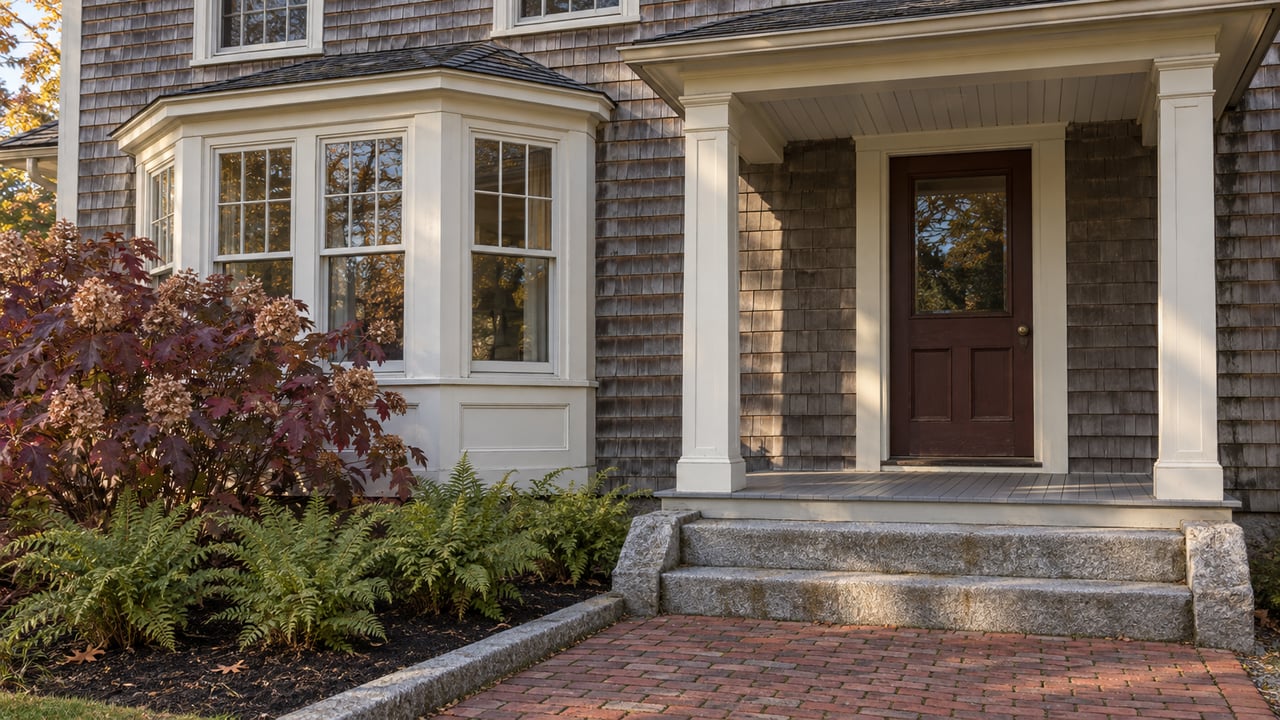
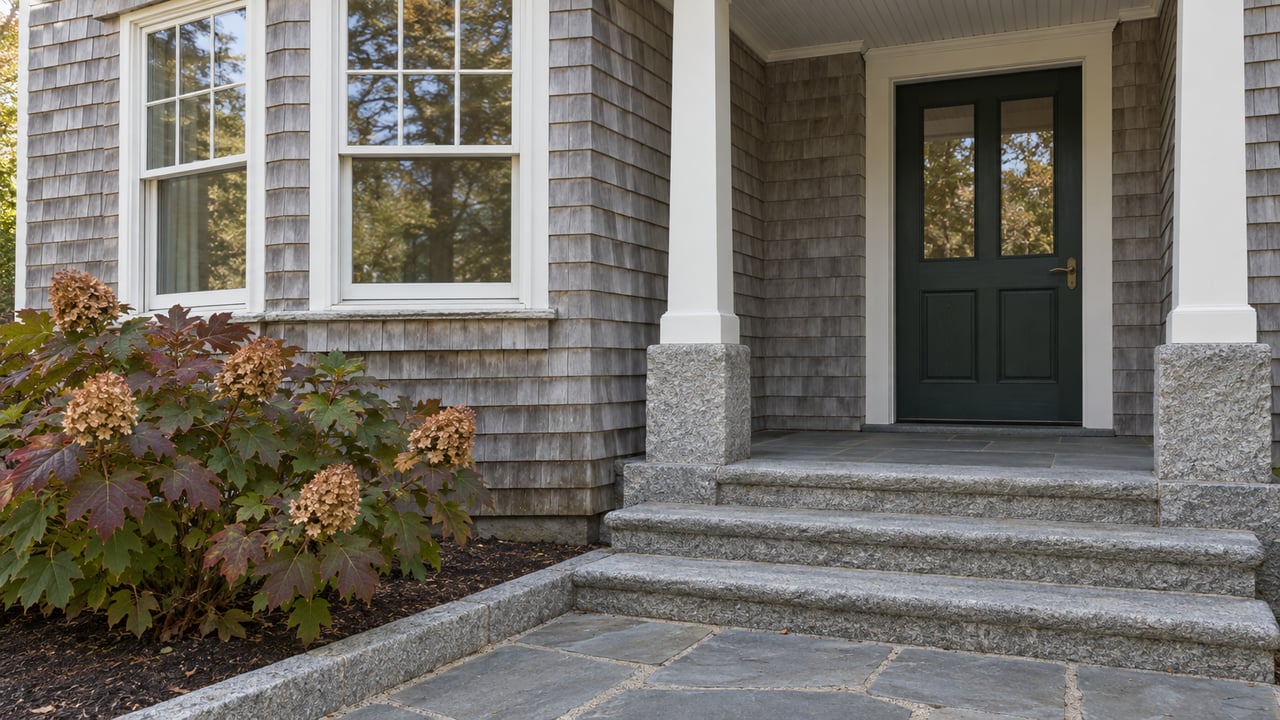
- exterior appearance and entry presentation
- photo readiness
- pricing strategy based on current market conditions
This is also the stage where a clear plan helps reduce stress. Instead of guessing what to fix, what to leave alone, or when to list, you want a launch plan that matches your home, your timing, and current local demand.
Expect showings to last a few days or a few weeks
Once your listing is live, the showing period often lasts 30 to 45 days as a benchmark. In Greater Newburyport, it may be shorter for a well-priced home in strong condition, but sellers should still prepare for some variability.
If showings are active right away, that is a good sign. If traffic is slower than expected, pricing, condition, or presentation may need a closer look.
What affects showing pace?
Several factors shape how quickly your home moves through this stage:
- asking price
- property condition
- photos and marketing presentation
- buyer demand at that moment
- seasonality and timing
This is one reason process-led sellers usually feel more in control. When you understand that launch strategy and timing are connected, you can make better decisions early instead of reacting late.
Review offers with the full timeline in mind
An offer is not just about price. It is also about terms, timing, and how likely the deal is to stay on track.
In Massachusetts, offers must be conveyed, and the purchase and sale agreement is a legal document prepared and agreed to by attorneys representing both buyer and seller. That makes the accepted-offer stage more than a handshake. It is the start of a detailed legal and financial process.
Look beyond headline price
When you review offers, consider:
- proposed closing date
- financing terms
- inspection timeline
- appraisal and loan timing
- any requests tied to repairs or contingencies
This matters because the weeks right after acceptance are often the busiest. A strong offer should support both your financial goals and your closing timeline.
What happens after you accept an offer?
After acceptance, the transaction usually moves into a 30 to 45 day closing period. If the buyer is financing the purchase, several steps still need to happen before the keys change hands.
A benchmark timeline places the home inspection contingency at about 7 to 10 days from contract date and the appraisal and financing period at about 21 to 30 days. In other words, the deal may feel agreed upon, but there is still meaningful work ahead.
The first few weeks after acceptance
This is when most due diligence happens. Depending on the property and the buyer’s loan, the timeline may include:
- buyer inspection
- attorney review and purchase and sale agreement process
- appraisal
- underwriting and financing review
- title work
- repair discussions, if needed
If any of these steps hit a delay, the closing date may need to move. That is why realistic scheduling matters from the start.
Do not leave closing tasks for the final week
Many closing delays happen because local and property-specific items get pushed too late. In Greater Newburyport, there are a few items sellers should plan for as soon as a closing date starts to take shape.
Smoke and carbon monoxide inspection
Your closing checklist should include the local smoke and carbon monoxide certificate of compliance from the fire department. Newburyport’s inspection checklist references detectors being in the correct locations and operable, which is a good reason to order this inspection as soon as the closing date is set.
Final water and sewer bill
Newburyport’s Water Division requires a final water and sewer bill before sale. This is a small item that can become a closing-week headache if it is overlooked, so it is smart to schedule utility closeout before the final days of escrow.
Title 5 and title work
If your property has septic, be sure any Title 5 paperwork is ready. Title search and related closing work also need time, so this is not an area to leave until the last minute.
The final stretch before closing
As closing gets close, your job shifts from negotiation to execution. The goal is to have the property, paperwork, and logistics fully ready before the buyer’s final walk-through.
Buyer walk-through typically happens the day before settlement. That means repairs should be completed, agreed items should remain with the home, and the property should be fully cleared before the final week whenever possible.
For financed sales, the buyer’s Closing Disclosure must arrive at least three business days before closing. If underwriting or appraisal issues come up late, that requirement can shift the calendar, even when everything else seems ready.
A simple Greater Newburyport seller roadmap
If you want a cleaner sale with fewer surprises, think about your timeline in four stages.
1. Prep phase
- gather property documents
- identify lead paint or septic needs
- plan any repairs or touch-ups
- prepare for photos and listing launch
2. Launch phase
- list the home
- begin showings
- monitor activity and feedback
- review offers with price and terms in mind
3. Under-contract phase
- move through inspection and attorney steps
- track appraisal and financing progress
- respond quickly to requests and deadlines
4. Closing phase
- order smoke and CO compliance inspection
- arrange final water and sewer bill
- complete move-out and repairs
- prepare for walk-through and settlement
Why preparation matters most
In Greater Newburyport, the market can absolutely reward a strong listing. But even in a relatively quick-moving market, most sales still follow a structured timeline with several points where paperwork or compliance can slow things down.
That is why the best way to protect your timeline is to start early. When you front-load prep, stay realistic about the showing and contract periods, and tackle local closing items before the final week, you give yourself a much better chance of moving from list to close with fewer surprises.
If you are thinking about selling in Greater Newburyport, a clear timeline and smart prep can make the whole process feel more manageable. When you are ready for a practical plan built around your home, your timing, and the local market, schedule a call with Douglas Danzey.
FAQs
How long does it take to sell a home in Greater Newburyport?
- A typical sale often takes about 75 to 105 days from signed listing paperwork to settlement, although a well-priced home may move faster.
What should Greater Newburyport sellers do before listing a home?
- Start by preparing the home for photos and showings, gathering documents, and identifying early compliance items such as lead paint paperwork, septic requirements, and local utility closeout needs.
Do Massachusetts sellers need to allow a home inspection?
- Sellers and their agents may not condition acceptance of an offer on the buyer waiving a home inspection, and the required disclosure must be given before or at the first purchase contract.
When should Newburyport sellers order smoke and CO inspection items?
- It is best to order the smoke and carbon monoxide compliance inspection as soon as a closing date is set so detector issues do not delay the closing schedule.
What utility item matters before a Newburyport home closing?
- Newburyport requires a final water and sewer bill before sale, so this should be scheduled before the last week before closing.
What can delay a Greater Newburyport home sale after an offer is accepted?
- Common timeline pressure points include inspection issues, appraisal or financing delays, title work, septic paperwork, and waiting too long on smoke and CO compliance or final utility billing.