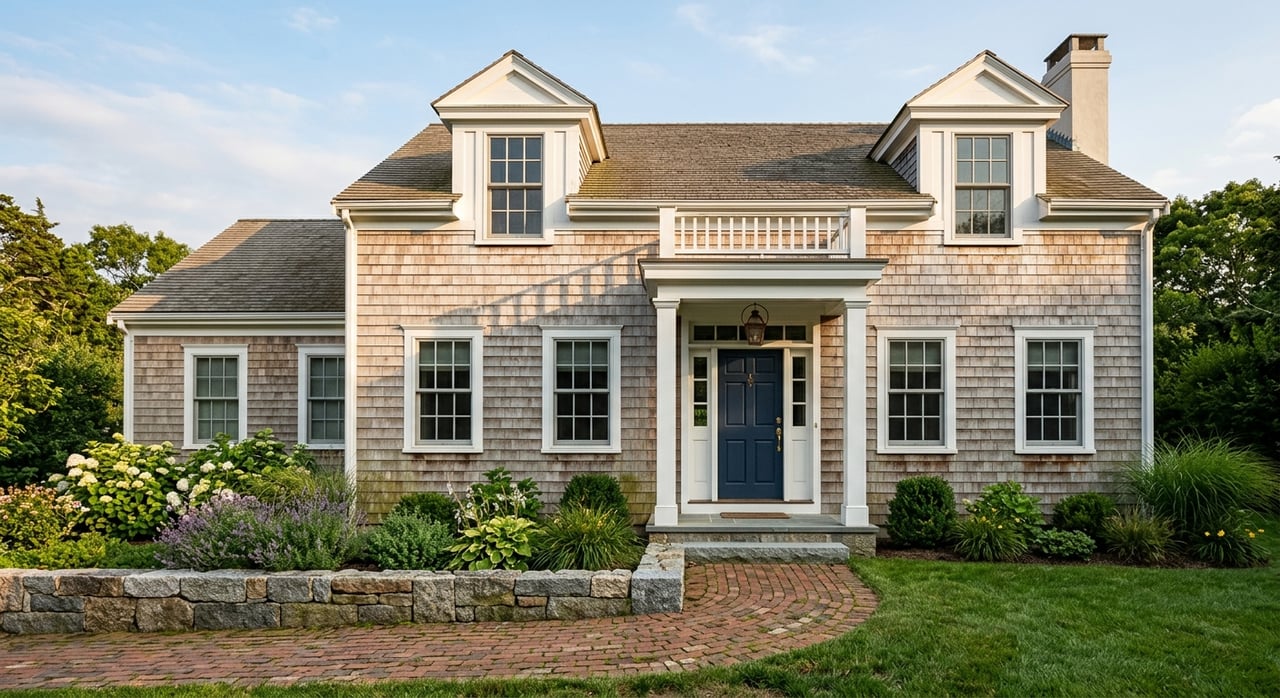
Wondering whether Newburyport’s best fit for you is in-town, along the river, or out on Plum Island? That choice shapes more than your home search. It affects your daily routine, lot size, housing style, parking experience, and even how you plan for weather and infrastructure. If you want to compare these three pockets in a practical way, this guide will help you sort out the tradeoffs and focus on what matters most to you. Let’s dive in.
Why these three areas feel so different
Newburyport’s residential pattern is not one-size-fits-all. City planning documents describe an urban core with historic neighborhoods, a waterfront and riverfront edge, and Plum Island as a distinct beach community. That means these areas were built for different uses, and they still function differently today.
If you compare in-town, riverside, and Plum Island homes side by side, the biggest differences are not just price. You are really comparing built form, location constraints, and daily rhythm. That is what makes this decision so important for buyers and sellers in 01950.
In-town homes: compact and connected
In-town Newburyport is the most compact of the three options. The city’s master plan places the highest concentration of three-unit-plus buildings within and around downtown, with two-family homes mixed into nearby neighborhoods. That helps explain why condos, conversions, and smaller-footprint homes are common here.
Downtown also sits within the state and federal Newburyport Historic District. The Downtown Overlay District was created to reflect the area’s unique land-use pattern and architectural character. In practical terms, that supports the walkable, mixed-use feel many buyers are looking for.
What you’ll usually find in-town
In-town inventory tends to lean toward:
- Condos and condo conversions
- Attached or closely spaced homes
- Detached homes on compact lots
- Smaller footprints compared with waterfront estates or larger suburban-style parcels
Current listing examples in the research show downtown condos ranging from about 683 square feet to more than 3,000 square feet. Pricing in those examples runs from roughly $510,000 to $3.295 million, depending on size, building type, and whether the home is newly built.
How in-town living feels day to day
If you want strong pedestrian access, in-town stands out. The Clipper City Rail Trail is a 3.35-mile paved multi-use route connecting the MBTA commuter rail station with the waterfront, parks, and dense neighborhoods. The Harborwalk is also identified by the city as a key recreational asset.
That convenience comes with tradeoffs. Parking is actively managed downtown through resident, employee, and garage permits, and the city treats parking as an ongoing issue. If you value walkability more than a large driveway or a big yard, that trade may work in your favor.
Who in-town may suit best
In-town can be a strong fit if you want:
- A central Newburyport address
- A lower-maintenance property type like a condo
- Walkable access to downtown and the waterfront
- A smaller lot in exchange for location
Riverside homes: premium and waterfront-oriented
Riverside living in Newburyport is less like a separate suburban neighborhood and more like a civic waterfront edge. City planning documents focus on the Harborwalk, boardwalks, open space, and the need to balance redevelopment with parking and public access. The city is also investing in waterfront infrastructure, including boardwalk rehabilitation and bulkhead work.
That setting shapes the housing stock. Riverside homes often carry a premium because of river access, view corridors, and the limited supply of prime waterfront parcels.
What you’ll usually find riverside
Riverside inventory tends to include:
- Higher-priced single-family homes
- Waterfront or water-adjacent condos
- Historic homes on compact city lots
- Some multi-family stock mixed into the area
The current listing examples in the research show a 2-bed condo at 104 High St Unit F for $1.15 million, a 3-bed home at 360 Merrimac St for $1.195 million, a 4-bed home at 71 Purchase St for $2.349 million, a 3-bed home at 11 Purchase St for $3.699 million, and a 6-bed home at 17 Federal St for $3.495 million. Those examples point to a higher budget band than many in-town options.
How riverside living feels day to day
Riverside life often means easier access to marinas, boardwalks, and waterfront parks. It also means paying more attention to traffic flow and parking. The city’s circulation study identifies river-adjacent streets like State, Merrimac and Water, Pleasant, and High as mixed-use corridors with on-street parking.
For some buyers, that is part of the appeal. You get a strong connection to the water and downtown amenities while staying in a more premium property bracket. For others, the higher price point and circulation issues may narrow the field quickly.
Who riverside may suit best
Riverside may be worth a close look if you want:
- Direct proximity to the riverfront
- Water views or access-driven value
- A premium historic or waterfront setting
- A home where location scarcity is a major factor
Plum Island homes: coastal and lot-constrained
Plum Island is Newburyport’s barrier-beach pocket, and it lives differently from the mainland. The city’s planning materials treat it as a separate overlay district, and the island’s history helps explain its housing pattern today. It began with small weekend residences and camps, then shifted toward larger year-round homes after municipal water and sewer service arrived in the early 2000s.
That history still shows up in the lot layout. Many homes sit on compact coastal parcels, and lot consolidation and rebuild activity are common.
What you’ll usually find on Plum Island
Plum Island is dominated by:
- Detached houses and cottages
- Compact coastal lots
- Rebuilt or expanded homes on older plats
- Fewer condo-focused options than in-town
The current examples in the research include 128 Old Point Rd at $759,900 on a 4,900-square-foot lot, 270 Northern Blvd at $964,000 on a 3,770-square-foot lot, 5 64th St at $1 million on a 0.24-acre lot, and 3 Marsh St at $1.995 million on a 7,320-square-foot lot. The broader point is that island pricing depends heavily on lot position and coastline exposure, not just square footage.
How Plum Island living feels day to day
Daily life on Plum Island is the most beach-oriented of the three options. At the same time, it is also the most weather-sensitive. The city has noted that the island can face limited access along Plum Island Turnpike during high tides, and it has warned residents during coastal storm events to prepare for possible utility loss and mainland access issues.
The city and the Town of Newbury are also working on a Plum Island Turnpike resiliency feasibility study. In addition, the city’s floodplain materials show ongoing floodplain management, including 2025 updates to floodplain overlay regulations to reflect updated FEMA maps for National Flood Insurance Program participation.
Beach access is also more managed than many buyers expect. The city-run Plum Island Point Beach lot accommodates 120 vehicles, so access and parking are part of the ownership experience, not an afterthought.
Who Plum Island may suit best
Plum Island may fit if you want:
- A true coastal lifestyle
- A detached home or cottage feel
- A second-home or beach-oriented use pattern
- A property search focused on views, lot position, and shoreline setting
It is often a better match for buyers who understand that coastal ownership includes extra planning around weather, infrastructure, and property upkeep.
Side-by-side comparison
| Area | Typical housing | Lot pattern | Daily lifestyle | Current pricing examples |
|---|---|---|---|---|
| In-town | Condos, conversions, compact detached homes | Smaller city lots | Walkable, rail-trail connected, parking managed | Roughly $510,000 to $3.295 million in current examples |
| Riverside | Waterfront condos, single-family homes, some multi-family | Compact but premium waterfront blocks | Water access, boardwalks, mixed-use corridors | Roughly $1.15 million to $3.699 million in current examples |
| Plum Island | Detached homes and cottages | Compact coastal lots, rebuild patterns common | Beach-oriented, weather-sensitive, access-sensitive | Roughly $759,900 to $1.995 million in current examples |
How to choose the right fit for you
The best area depends on how you want your home to live, not just what you want it to look like online. A smaller in-town condo may feel like the right choice if you want convenience and less exterior maintenance. A riverside property may justify the price if direct water orientation is your top priority.
Plum Island can make sense if you want a coastal home and you are prepared for the realities that come with a barrier-beach location. That includes thinking ahead about access, utilities, floodplain considerations, and ongoing upkeep. The more honest you are about your lifestyle, the easier this choice becomes.
What sellers should keep in mind
If you are selling in one of these three areas, buyers are not just comparing bedroom counts. They are comparing tradeoffs. In-town buyers often focus on walkability, layout efficiency, and parking. Riverside buyers tend to weigh water access, views, and scarcity. Plum Island buyers pay close attention to lot position, rebuild potential, and coastal exposure.
That is why pricing, prep, and marketing strategy need to match the micro-location. A strong plan starts with understanding how your property fits into the way buyers experience that specific part of Newburyport.
If you are deciding between in-town, riverside, and Plum Island, or preparing to sell in one of those areas, a local strategy matters. The right guidance can help you compare lifestyle fit, financing impact, and market positioning with clearer numbers and fewer surprises. Schedule a call with Douglas Danzey.
FAQs
What is the main difference between in-town, riverside, and Plum Island homes in Newburyport?
- In-town is generally the most compact and condo-heavy, riverside is the most premium and water-oriented, and Plum Island is the most coastal, lot-constrained, and weather-sensitive.
What kinds of homes are most common in in-town Newburyport?
- In-town Newburyport most commonly includes condos, condo conversions, multi-unit buildings near downtown, and detached homes on smaller lots.
What makes riverside homes in Newburyport more expensive?
- Riverside homes often command higher prices because of river access, view corridors, and the limited supply of waterfront and water-adjacent parcels.
What should buyers know about Plum Island homes in Newburyport?
- Buyers should know that Plum Island homes are often detached houses or cottages on compact lots, and ownership can involve added planning for coastal weather, access, utilities, and floodplain factors.
Is in-town Newburyport better for walkability and transit access?
- In many cases, yes. In-town and nearby waterfront areas have the strongest pedestrian connections, including access to the Clipper City Rail Trail, downtown amenities, and the MBTA commuter rail station.
How should sellers position a home in one of these Newburyport areas?
- Sellers should position the property around the lifestyle and location tradeoffs buyers care about most in that pocket, including walkability, waterfront setting, lot position, parking, and coastal considerations.