Are you torn between staying on the Massachusetts side or crossing the border into Southern New Hampshire for your next move? It is a common question, especially if you want more space, a manageable commute, and monthly costs that make sense for your budget. The right answer depends on how you weigh home price, taxes, commute style, and the kind of housing you want day to day. Let’s break it down so you can compare Essex County and Southern New Hampshire with more clarity.
Price Differences Matter Fast
If your first question is, “Where will my dollar go farther?” the numbers point to Southern New Hampshire. Based on current Zillow county measures from May 2026, Essex County has the highest home values of the three areas in this comparison, followed by Rockingham County, then Hillsborough County.
The reported Zillow Home Value Index figures are $730,378 in Essex County, $629,483 in Rockingham County, and $526,336 in Hillsborough County. Median sale prices follow the same pattern at $610,300 in Essex, $575,322 in Rockingham, and $475,833 in Hillsborough. In simple terms, Hillsborough County tends to offer the lowest entry point, while Rockingham often sits closer to Essex County pricing.
Monthly Ownership Costs
Purchase price is only part of the picture. Census data shows median monthly owner costs with a mortgage at $2,867 in Essex County, compared with $2,669 in Rockingham County and $2,452 in Hillsborough County.
That gap may not look huge at first glance, but over time it can shape what feels comfortable in your monthly budget. Median gross rent also trends lower in Southern New Hampshire at $1,687 in Rockingham and $1,623 in Hillsborough, compared with $1,756 in Essex County.
Income and Cost Pressure
Household income also affects how those costs feel. Census figures show median household income at $118,331 in Rockingham County, $103,545 in Hillsborough County, and $101,883 in Essex County.
When you compare median monthly owner costs to median household income, Essex County comes out at roughly 34%, while both Rockingham and Hillsborough are closer to 28%. That does not decide the move for you, but it does suggest Southern New Hampshire may feel less stretched for many households.
Commute: Rail vs Highway
Commute time alone does not tell the full story here. Average commute times are actually very similar at 28.5 minutes in Essex County, 28.9 minutes in Rockingham County, and 27.3 minutes in Hillsborough County.
The bigger difference is how you commute. Essex County has a clearer rail advantage for Boston-bound travel, while Southern New Hampshire leans much more on highways and bus service.
Essex County Rail Access
Essex County includes direct MBTA commuter rail service on the Newburyport/Rockport Line. That line serves North Shore stations including Newburyport, Rowley, Ipswich, Beverly, Salem, Swampscott, Lynn, Chelsea, and Rockport.
If you want the option to drive less and use commuter rail more often, that can be a major quality-of-life factor. For some buyers, reliable rail access is one of the strongest reasons to stay on the Massachusetts side.
Southern NH Commute Setup
Southern New Hampshire offers Boston access too, but the setup is different. According to the New Hampshire Department of Transportation Route 1 Corridor Plan, Boston-bound commuter bus service operates from the Portsmouth Transportation Center via I-95, and there is currently no commuter transit service to communities south of Portsmouth in the U.S. Route 1 corridor.
C&J also advertises express commuter service from Portsmouth, Dover, and Seabrook to Boston South Station. For many buyers, that means Southern New Hampshire commuting can work well, but it is often more car- and bus-dependent than Essex County.
Housing Style Feels Different
A move is not only about numbers. It is also about what kind of home and setting fits your lifestyle.
Essex County is far denser than either Rockingham or Hillsborough County. Census data reports 1,644.3 people per square mile in Essex County, compared with 451.8 in Rockingham and 482.5 in Hillsborough.
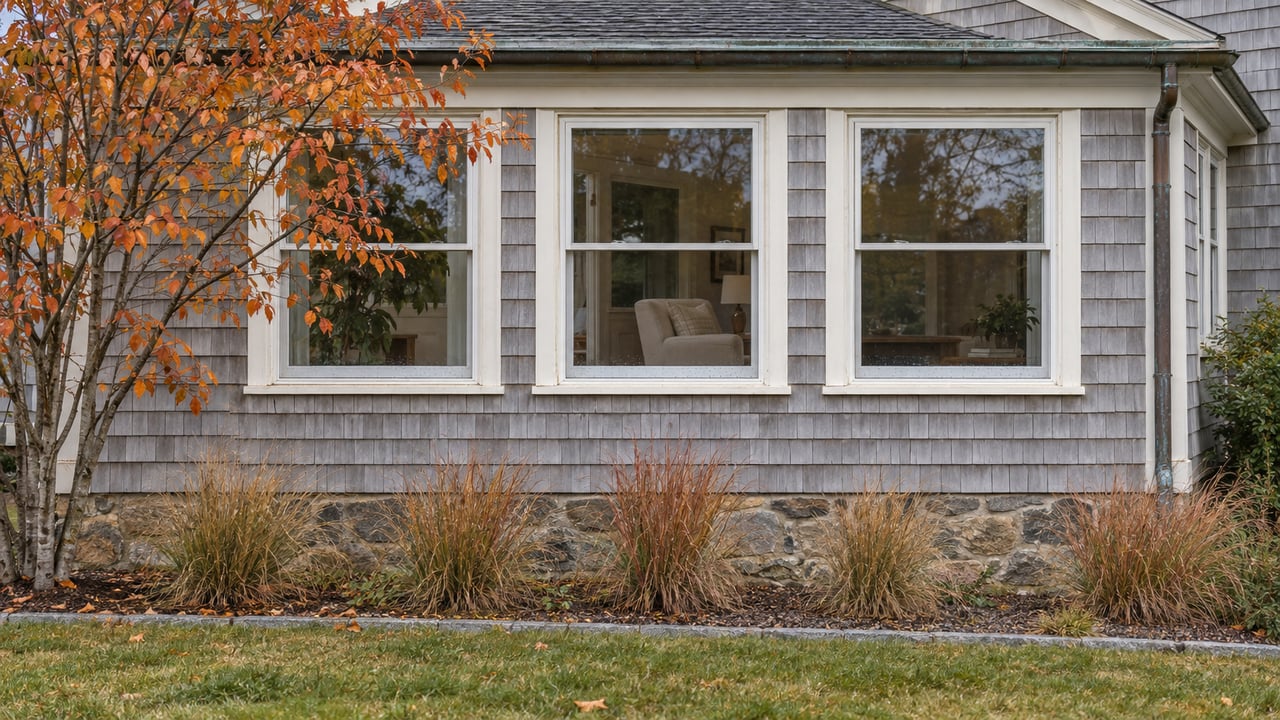
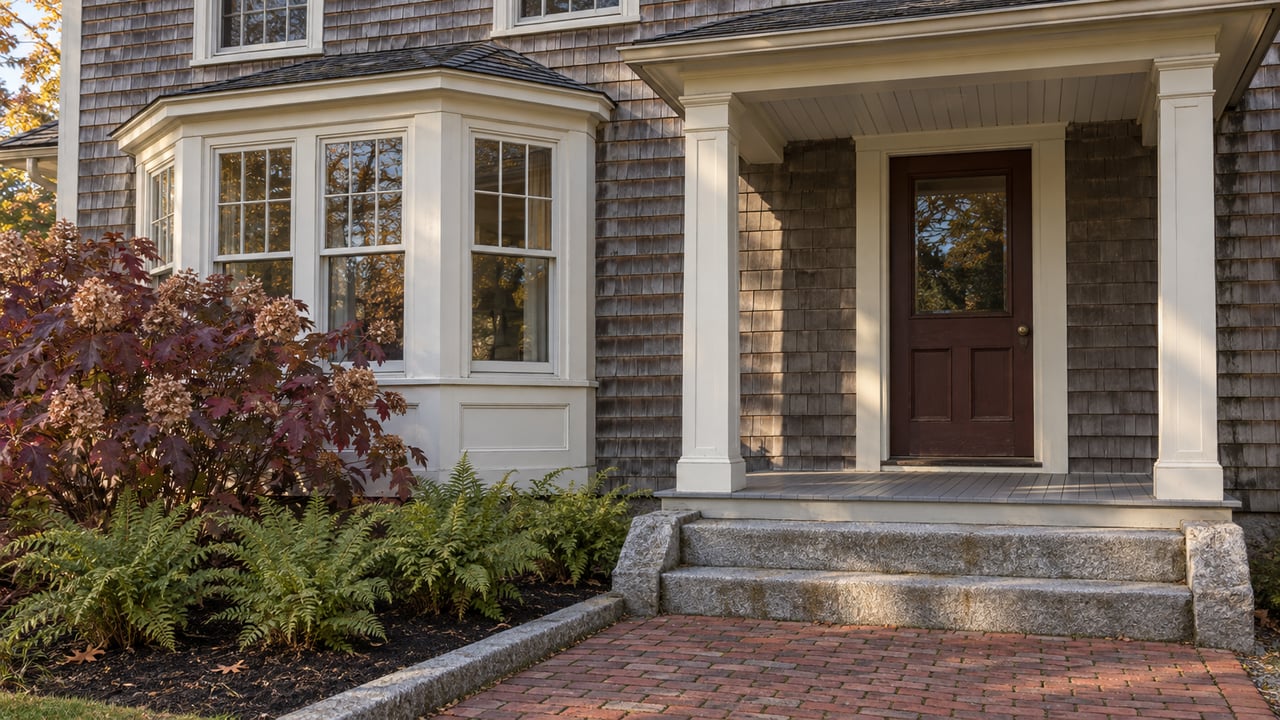
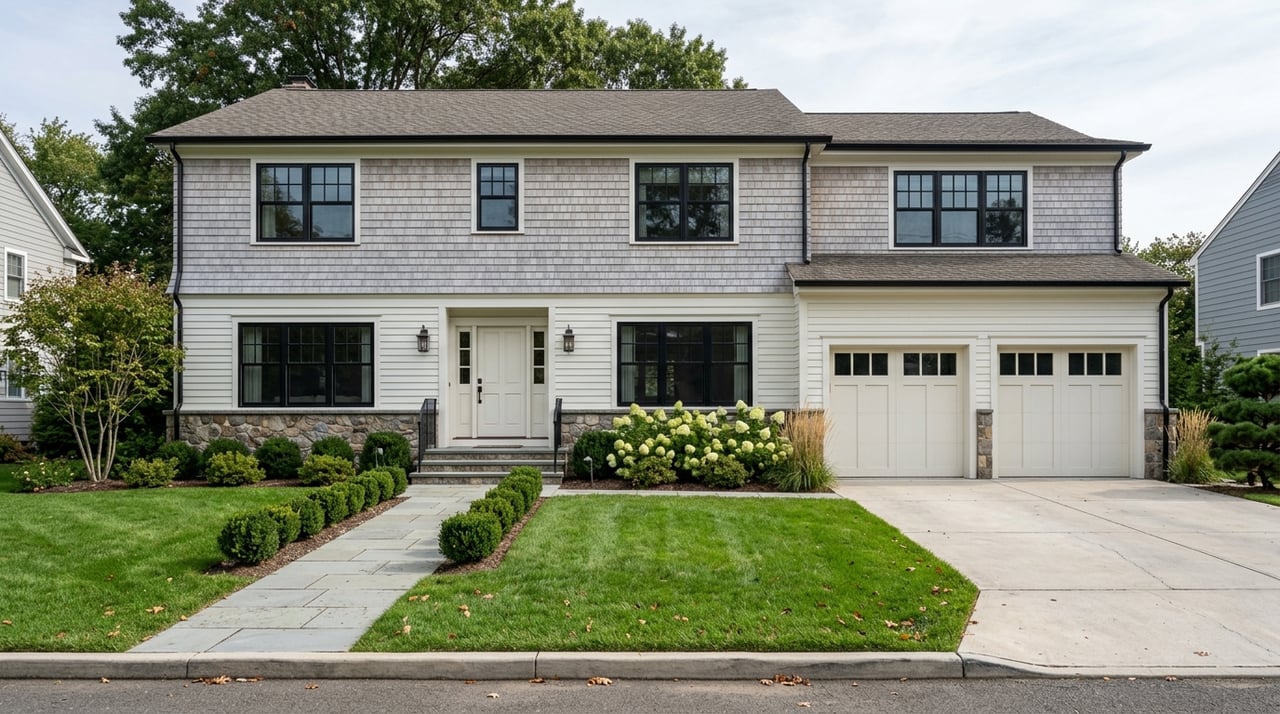
That density helps explain why Essex County often feels more in-town, more mixed in housing type, and older in overall housing character. Southern New Hampshire often leans more suburban, with a stronger share of detached single-family homes and larger-lot neighborhoods.
What Essex County Often Offers
A Gloucester housing plan gives a useful example of how Essex County housing can differ. In downtown Gloucester, 87% of housing stock was in 1- to 4-unit structures, while only 8% was in buildings with 10 or more units.
That same plan found 69% of downtown Gloucester units were built before 1940, compared with 39% in Essex County overall. While that is one local example, it supports the broader pattern that Essex County often offers older housing stock and more mixed-density living.
What Southern NH Often Offers
Southern New Hampshire housing is mixed too, but many commuter-friendly towns lean heavily toward detached homes. The Southern New Hampshire Planning Commission regional housing needs assessment reports that 59% of occupied housing units in southern New Hampshire were single-family in 2020 overall.
Several towns were even more detached-home oriented, including Windham at 92%, Auburn and Candia at 94%, Chester at 85%, Bedford at 81%, Londonderry at 82%, New Boston at 86%, and Hooksett at 74%. The same report says only 19% of occupied units were built before 1940, with much of the housing stock dating from the 1970s through the 1990s.
Taxes Can Change the Equation
Taxes are one of the biggest reasons buyers compare Massachusetts with New Hampshire so closely. Massachusetts taxes earned income at 5.0% and applies a 6.25% sales tax.
New Hampshire does not tax W-2 wages and has no general sales tax. Its interest-and-dividends tax is also repealed for taxable periods beginning after December 31, 2024.
The Tradeoff: Property Taxes
That does not automatically mean New Hampshire is cheaper in every case. New Hampshire relies more heavily on property taxes, so part of the tax burden shifts from income and sales taxes into local real estate taxes.
Tax Foundation 2026 state profiles report an effective property tax rate on owner-occupied housing of 1.50% in New Hampshire versus 1.00% in Massachusetts. For many households, that means you need to compare the full monthly picture, not just one line item.
Which Side Fits Your Priorities?
The better choice depends on what matters most in your move. There is no one-size-fits-all winner between Essex County and Southern New Hampshire.
If you want rail access, denser in-town settings, and older mixed housing stock, Essex County may fit better. If you want lower home prices, more detached suburban housing, and a tax structure without wage or general sales tax, Southern New Hampshire may deserve a closer look.
A Simple Way to Decide
Before you choose a side, compare your options through a few practical lenses:
- Your target purchase price range
- Your expected monthly payment
- Your likely property tax bill
- Your commute method and weekly schedule
- Your preferred home style and lot size
- Your comfort with older housing versus newer suburban stock
This is where a side-by-side plan becomes more useful than general advice. A county trend can point you in the right direction, but the real answer usually shows up when you compare specific towns, homes, and monthly numbers.
If you are weighing Essex County against Southern New Hampshire, the smartest next step is to look at the move through both a real estate and financing lens. That helps you see not just what is available, but what fits your goals and budget with fewer surprises. When you are ready to map out the numbers and narrow your options, schedule a call with Douglas Danzey.
FAQs
Is Essex County or Southern New Hampshire more affordable for buyers?
- Southern New Hampshire is generally more affordable on current county-level measures, with Hillsborough County lowest, Rockingham County in the middle, and Essex County highest for both home values and median sale prices.
Is Essex County or Southern New Hampshire better for a Boston commute?
- Essex County has the clearer rail advantage because of MBTA commuter rail service on the Newburyport/Rockport Line, while Southern New Hampshire is more dependent on highways and commuter bus options.
Does Southern New Hampshire usually offer more detached homes?
- Yes. Regional housing data shows Southern New Hampshire has a strong share of detached single-family homes, especially in several commuter-oriented suburban towns.
Are taxes lower in New Hampshire than Massachusetts?
- It depends on your situation. New Hampshire does not tax W-2 wages and has no general sales tax, but it relies more heavily on property taxes than Massachusetts.
Does Essex County have older housing stock than Southern New Hampshire?
- In general, yes. Essex County is denser and often includes older, more mixed housing stock, while much of Southern New Hampshire housing dates from the 1970s through the 1990s and leans more suburban.
Should you compare towns or counties first when choosing between Essex County and Southern New Hampshire?
- Counties are a helpful starting point, but your final decision is usually better made by comparing specific towns, commute patterns, taxes, and monthly ownership costs.