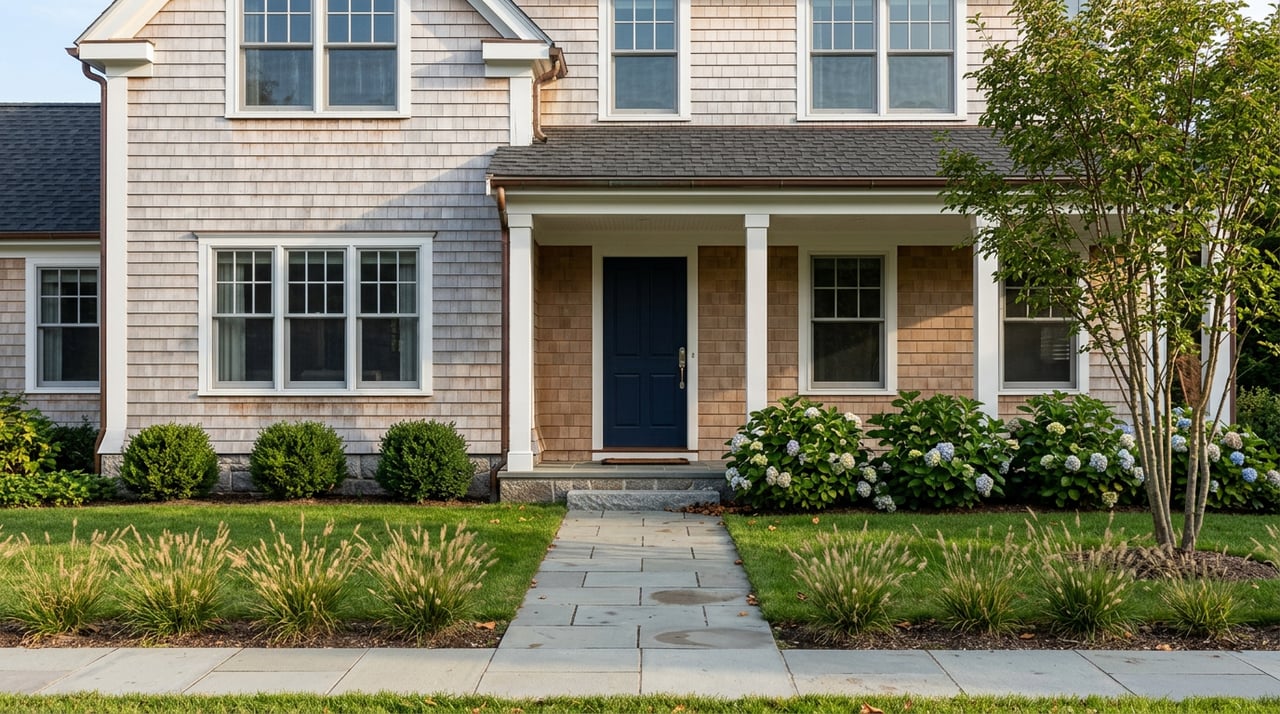
Salt air, classic New England streets, and a straight shot to Boston — that is the day-to-day rhythm many people want on Massachusetts’ North Shore. If you are weighing a move, a second home, or a future sale, you are likely balancing commute time, beach access, and year-round amenities. This guide gives you a clear picture of how Essex County’s coastal towns live, where you will spend your weekends, and how to plan your move with confidence. Let’s dive in.
What people mean by “North Shore”
The North Shore generally refers to the coastal stretch north of Boston, from Revere to Salisbury, including the harbor and near‑coastal communities that ring Essex County. The Massachusetts Office of Coastal Zone Management lists these North Shore communities and resources so you can see the region from a coastal management lens. You can review that working boundary on the state’s overview of the CZM North Shore region.
Essex County is home to roughly 810,000 people, with a mean one‑way commute of about 29 minutes. That explains why many towns function both as commuter bases and as beach and boating hubs. You can find the county snapshot on U.S. Census QuickFacts.
Subregion snapshots: How different areas live
Northern Merrimack & Plum Island
Newburyport, Salisbury, and Amesbury center on a lively riverfront, walkable historic streets, and barrier‑island beaches on Plum Island. The Parker River and nearby preserves add low‑impact outdoor options, and the small‑city feel brings dining, shops, and a year‑round community. If you want downtown energy plus easy beach access, this pocket fits well.
Cape Ann’s arts and harbors
Gloucester, Rockport, and Manchester blend a working maritime economy with deep arts roots and multiple public beaches. Gloucester’s harbor life pairs with galleries and maritime history, while Rockport’s village streets and headlands feel quietly scenic. Cultural anchors like the Cape Ann Museum make this subregion a strong fit for boaters, anglers, and art lovers.
Salem to Marblehead to Lynn
Salem balances famous historic tourism with a functioning small city of restaurants, arts, and waterfront walks. The Peabody Essex Museum is a year‑round magnet; explore its collections and tours at the Peabody Essex Museum. Marblehead and its Neck lean into yachting and harbor neighborhoods, while Beverly and Lynn offer a mix of dense urban blocks, shoreline parks, and commuter convenience.
Inland service hubs
Towns like Peabody, Danvers, and Haverhill read more suburban or small‑city, with larger shopping corridors, medical centers, and regional employers. Many coastal residents rely on these for everyday services. If you commute by car and want value, these can stretch your dollars while keeping you close to the water.
Recreation that shapes daily life
Beaches and preserves
Crane Beach in Ipswich is a high‑quality, conservation‑managed shoreline with swimming and walking that stays beautiful year‑round. Get details on access and seasonal passes through The Trustees’ Crane Beach admissions page. Gloucester’s beaches, including Good Harbor and Wingaersheek, are summer favorites that use lifeguards and seasonal parking systems; this quick guide helps you match your beach style with Gloucester beach options.
Museums, history, and events
Beyond the PEM and Cape Ann Museum, the region’s history shows up in Salem’s maritime sites and fall festivities. Tourism spikes in October, so plan parking and reservations early if you love that season. Many towns host summer fairs and waterfront concerts that become part of your weekly flow when you live here.
Food and craft beer
Seafood is the headliner, with shellfish, chowders, and fresh‑off‑the‑boat catches. You will also find farm‑to‑table restaurants and a lively small‑brewery scene in downtowns like Newburyport and Ipswich. Tasting rooms often sit near waterfront walks, so dinner can follow a harbor stroll.
Getting around the North Shore
Commuter rail to Boston
The MBTA Newburyport/Rockport Line connects many coastal towns directly to Boston’s North Station. Stations include Lynn, Swampscott, Salem, Beverly, Hamilton/Wenham, Ipswich, Rowley, Newburyport on one branch, and Manchester, Gloucester, and Rockport on the other. See an overview of service and stops on the Newburyport/Rockport Line, and always check the current timetable before you commit to a specific station.
Seasonal ferry from Salem
From late spring into fall, Salem runs a seasonal ferry to Boston. It is popular with visitors and locals who want a breezy trip and a relaxed return from the city. Plan your crossing time and season using the Salem visitor FAQ.
Driving routes to know
I‑95 and Route 128 carry the bulk of car commuters, with Route 1 and 1A filling in the coastal link. Expect congestion in peak periods and heavier beach traffic on summer weekends. If driving is your plan, test different departure times to build a realistic door‑to‑door estimate.
Real estate rhythms and tips
Pricing patterns at a glance
At the county level, typical values sit in the mid‑six‑figure range according to major trackers. Waterfront, water‑view, and historic‑district homes often trade at a premium over inland averages. Treat the county number as a baseline, then compare neighborhoods within the town you prefer.
Seasonality and second homes
Many North Shore communities attract second‑home owners and summer visitors, especially Plum Island, Rockport, Marblehead, and Cape Ann pockets. That creates an off‑season lull and a busy summer rhythm. As a buyer, be ready to act when the right listing appears. As a seller, plan launch timing, staging, and photography to match the seasonal flow of your area.
Coastal due diligence
If you are considering a coastal property, confirm flood‑zone status, elevation, and insurance early. Local conservation rules and coastal‑zone planning can influence projects and carrying costs. Your best move is to gather elevation certificates, current insurance details, and town guidance before you write an offer.
Quick planning checklist
- Clarify your commute style: train, ferry, or car.
- Choose your lifestyle anchor: beach access, harbor boating, walkable downtown, or quiet suburb.
- Budget with seasonality in mind if you plan a second home or short‑term rental.
- For coastal homes, verify flood zone and insurance during pre‑approval.
- Align your purchase or sale timeline with financing, prep work, and seasonal demand.
Find your fit with a local plan
You deserve a clear path from daydream to door keys. Our team knows the North Shore’s towns, tides, and timelines, and we pair that local fluency with mortgage expertise so your numbers and next steps stay aligned. If you want help narrowing neighborhoods, mapping commute options, and shaping a smart offer or listing plan, let’s talk. Schedule a call with Douglas Danzey.
FAQs
What is considered the North Shore in Massachusetts?
- The North Shore covers coastal communities north of Boston, from Revere to Salisbury, including the harbor towns and near‑coastal areas within Essex County.
How long is the average commute in Essex County?
- The county’s mean one‑way commute is about 29 minutes, though your time varies by town, station choice, and peak traffic.
Which towns offer the easiest train access to Boston?
- Towns on the Newburyport/Rockport Line, such as Salem, Beverly, Lynn, Newburyport, Gloucester, and Rockport, offer direct service to North Station; check current schedules.
What are the standout North Shore beaches?
- Crane Beach in Ipswich and Gloucester’s Good Harbor and Wingaersheek are top picks; Plum Island adds long shoreline walks and wildlife viewing.
What should buyers know about coastal homes here?
- Verify flood‑zone status, elevation, and insurance costs early, and factor in local coastal‑zone rules when planning projects.