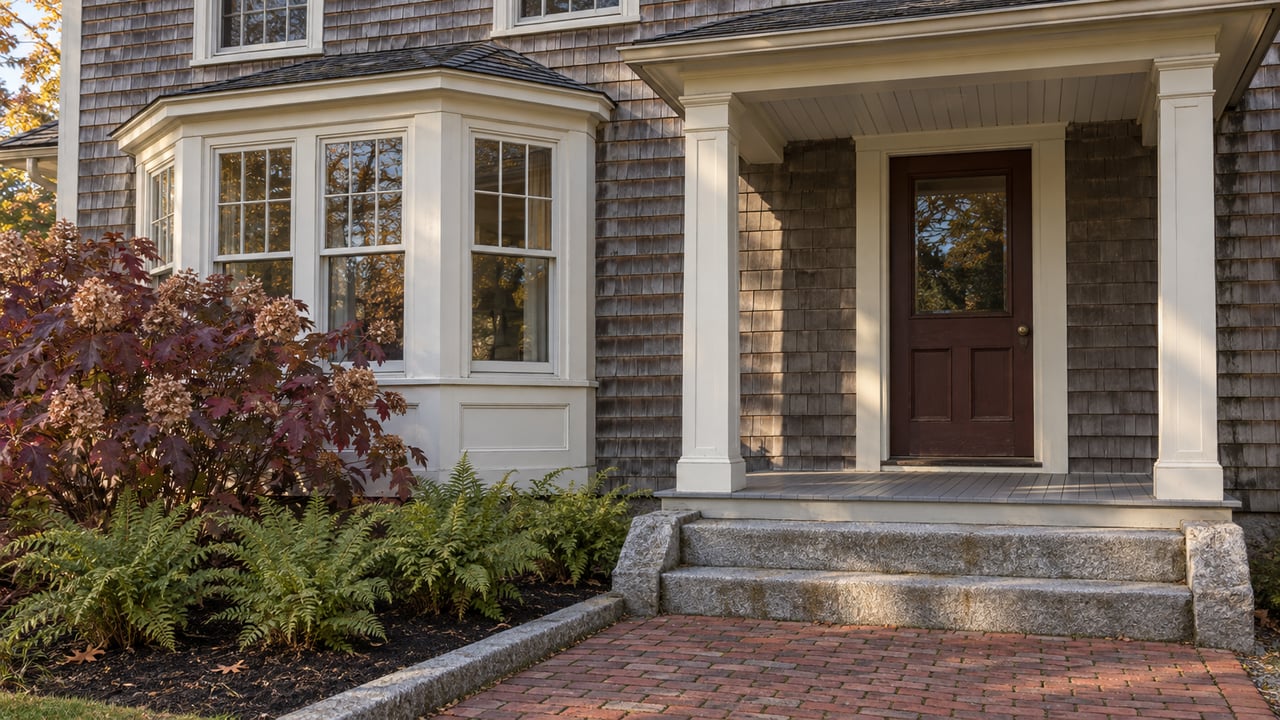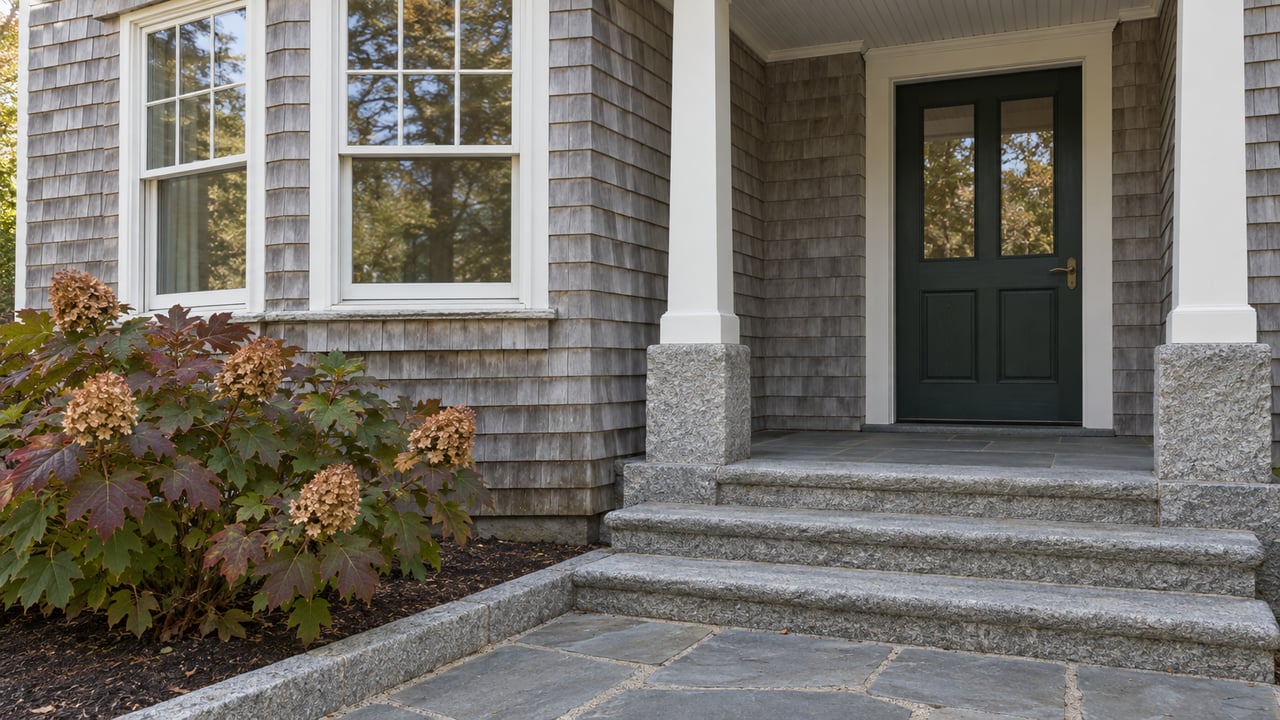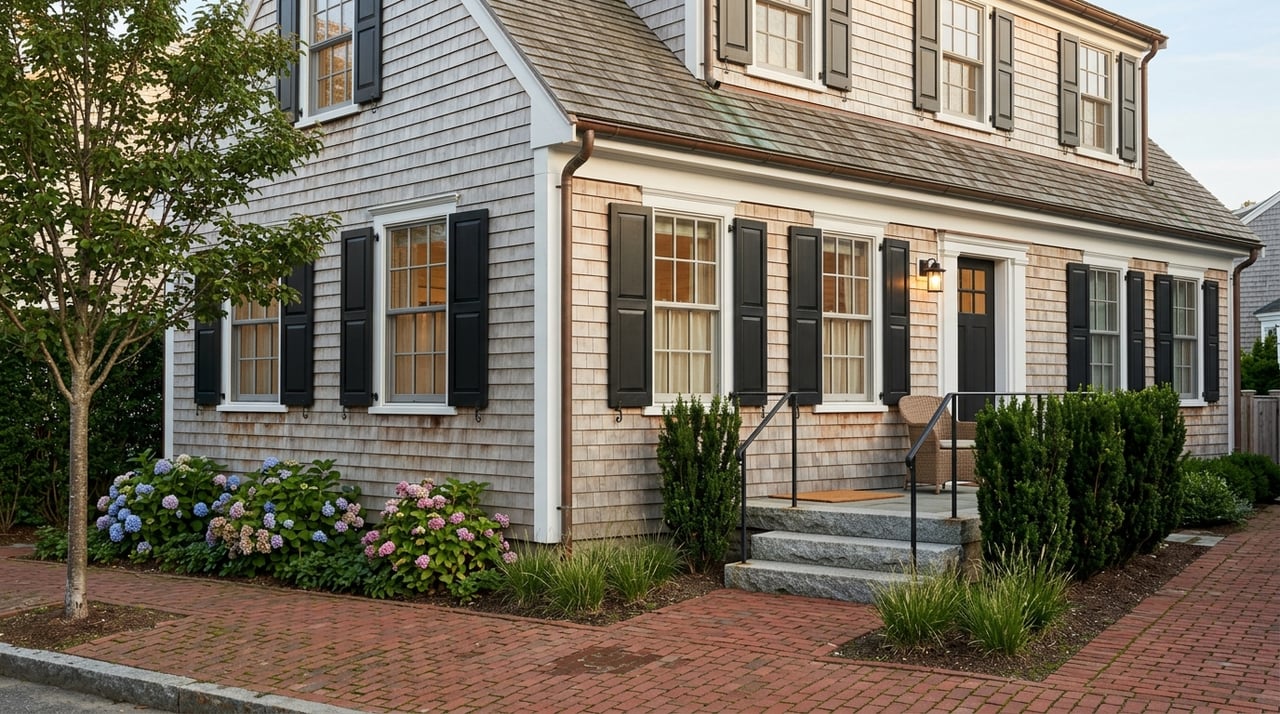
Thinking about a move to Newburyport? A weekend here can tell you more than a dozen listing photos ever will. If you want to understand how the city actually feels day to day, the best approach is to spend a couple of days walking the streets, exploring the waterfront, and noticing how easily you can move between downtown, green space, and the coast. Let’s dive in.
Start Downtown First
If you are considering Newburyport as your next home base, begin where daily life is most visible: downtown. The historic core around Market Square, State Street, Pleasant Street, and the Merrimack River waterfront is a dense commercial district with restaurants, cafes, retail stores, boutiques, offices, and cultural institutions set within historic buildings, according to the City of Newburyport master plan.
This part of the city is also part of a Massachusetts Cultural Council designated cultural district, with 13 art galleries, 4 museums, 4 theaters, 4 cultural centers, and 12 performance spaces. That matters when you are evaluating more than housing. It gives you a clearer sense of whether Newburyport fits the kind of lifestyle you want every week, not just on special occasions.
Walk The Waterfront
Newburyport’s waterfront is not just scenery. It is a central civic asset that helps shape how the city functions and feels. The city notes that the central waterfront includes 1,400 feet of waterfront and 850 feet of floating docks, with ongoing investment including bulkhead rehabilitation and a grant to rehabilitate the boardwalk.
For a future resident, this is a good place to slow down and observe. Watch how people use the space, where they gather, and how close the water is to downtown errands, dining, and public spaces. That overlap is a big part of Newburyport’s appeal.
Try A Car-Light Weekend
One of the most helpful things you can do during a relocation visit is test how much you can accomplish without constantly getting in the car. Newburyport is well suited for that kind of weekend. The city’s visitor resources connect downtown with the MBTA Newburyport/Rockport Line, bus service, parking tools, and trail access.
You can also use the Clipper City Rail Trail, a 3.35-mile multi-use corridor that links the MBTA commuter rail station with the Merrimack River waterfront, Cashman Park, the South End, and nearby neighborhoods. It is used by walkers, runners, bicyclists, and other non-motorized users, which makes it useful for getting a feel for how connected different parts of the city are.
Explore The South End And Historic Areas
If historic character matters to you, spend part of your weekend in the South End and nearby streets. Newburyport’s National Register Historic District covers much of the South End and downtown and extends west along the river. The city says it includes more than 2,500 properties and preserves colonial and federal-era streetscapes, according to the master plan.
This is also a city with an active preservation framework. The Historical Commission states that its mission is to protect and preserve historic structures, neighborhoods, and landscapes, and the city adopted the Fruit Street Local Historic District in 2007.
As you walk, pay attention to more than curb appeal. Look at street width, parking patterns, lot size, and how close homes are to downtown activity. Those details often shape daily convenience just as much as the house itself.
Spend Time On High Street
High Street gives you a different perspective on Newburyport living. It offers a historic residential setting with civic importance as well. Bartlet Mall on High Street is the city’s original town common and continues to serve as a community-event space.
For someone comparing neighborhoods or home styles, this corridor helps you picture a more residential rhythm while still staying tied to city life. It is the kind of place where you can start to ask practical questions about what type of home and setting fits you best.
Compare Housing Patterns
A good weekend visit should help you compare how different parts of Newburyport live. According to the city’s housing chapter, housing density is greatest in and around downtown, where single-family, two-family, and multi-family homes are concentrated. Density generally declines farther from downtown.
That means your experience can shift quickly depending on where you spend time. If you want walkability and easy access to shops, dining, and the waterfront, the areas near downtown may stand out. If you want a different layout or pace, driving beyond the core can help you compare tradeoffs.
Look At Transit-Oriented Options
Newburyport is not only about historic homes. Near the MBTA station and Route 1, the Smart Growth District allows multifamily condos, rental apartments, and mixed-use buildings similar in scale to downtown.
For some buyers, this kind of area is worth a close look. It can offer a different balance of maintenance, location, and access compared with older housing stock in the historic core. If you are relocating and want to simplify your routine, this is an important contrast to include in your weekend tour.
Make Time For Plum Island
If coastal access is one reason Newburyport is on your list, Plum Island should absolutely be part of the weekend. The city’s housing chapter describes Plum Island as compact and densely developed, with former beach shacks increasingly redeveloped into larger single-family homes.
That tells you two important things right away. First, the island has a distinct development pattern compared with the mainland. Second, housing here may feel very different in terms of lot size, layout, and day-to-day logistics.
Beyond the homes themselves, Newburyport is also the land route to Parker River National Wildlife Refuge on Plum Island, where you can hike, bike, watch wildlife, use the beach, paddle, fish, and join interpretive programs. The city also notes that the Plum Island Point Beach lot has 120 vehicle spaces, based on the master plan.
If you are considering living near the coast, this visit is about more than scenery. It is a chance to understand access, activity levels, and how a beach-oriented area fits your real routine.
Add A Park To Your Weekend
A relocation weekend should include quiet time too. Maudslay State Park is mentioned in the research as a setting with 19th-century gardens and plantings, rolling meadows, pines, and mountain laurel, making it a good choice for a walk, bike ride, or picnic.
Parks like this help you picture what an ordinary Saturday or Sunday could look like. That is often where buyers get clarity. Not from the biggest landmark, but from the smaller moments that make a place feel livable.
Check The Seasonal Rhythm
One of the smartest ways to judge fit is to look at how a city uses its public spaces over time. In Newburyport, recurring seasonal events can offer that perspective. Yankee Homecoming is the city’s signature summer event and is described as the nation’s longest continuously running homecoming festival.
Other events show the same pattern in different settings. PlumFest uses porches, yards, and local businesses on Plum Island as performance spaces and encourages walking, biking, and shuttle use. Invitation Nights highlights late shopping hours, galleries, restaurants, decorated High Street homes, and the Market Square Christmas tree during the holiday season.
You do not need to plan your entire trip around an event, but it helps to know they exist. They show how Newburyport’s downtown, island, and civic spaces are used throughout the year.
Use Your Weekend Like A Real Test
If you are serious about moving, treat your weekend like a low-pressure trial run. Wake up early and check traffic patterns. Walk from one part of town to another. Try downtown at a busy time and again when it is quieter.
You should also note what kind of home setting feels right to you. Do you prefer the denser housing patterns near downtown, a historic residential street, a transit-oriented condo option, or the compact coastal feel of Plum Island? Those answers can save you time once your home search becomes more focused.
Turn Impressions Into A Plan
A weekend in Newburyport can do more than help you fall in love with the area. It can help you sort out priorities around location, property type, lifestyle, and even financing strategy before you start making offers. That kind of clarity matters in a competitive market.
If you want help turning a weekend visit into a smart buying plan, connect with Douglas Danzey. You can get local guidance, practical market insight, and financing-aware support that helps you move forward with more confidence.
FAQs
What should future residents do first during a weekend in Newburyport?
- Start in downtown Newburyport around Market Square, State Street, Pleasant Street, and the waterfront so you can experience the city’s walkability, historic core, and daily activity patterns.
What outdoor places should future Newburyport residents visit?
- Good options include the waterfront, the Clipper City Rail Trail, Parker River National Wildlife Refuge on Plum Island, and Maudslay State Park.
What does downtown Newburyport feel like for future residents?
- Downtown Newburyport is a dense historic district with restaurants, cafes, boutiques, cultural institutions, and waterfront access, making it useful for testing a walkable lifestyle.
What housing areas should future Newburyport buyers compare?
- You should compare homes near downtown, historic areas in the South End and along High Street, transit-oriented options near the MBTA station, and coastal housing on Plum Island.
Is Plum Island worth visiting for people considering a move to Newburyport?
- Yes. Plum Island gives you a clear look at Newburyport’s coastal lifestyle, compact development pattern, and access to beach and refuge areas.
Why is a weekend visit useful before buying in Newburyport?
- A weekend visit helps you evaluate daily convenience, neighborhood feel, housing patterns, outdoor access, and whether the city matches the lifestyle you want.